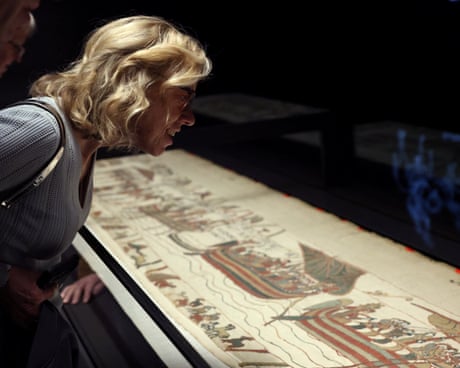
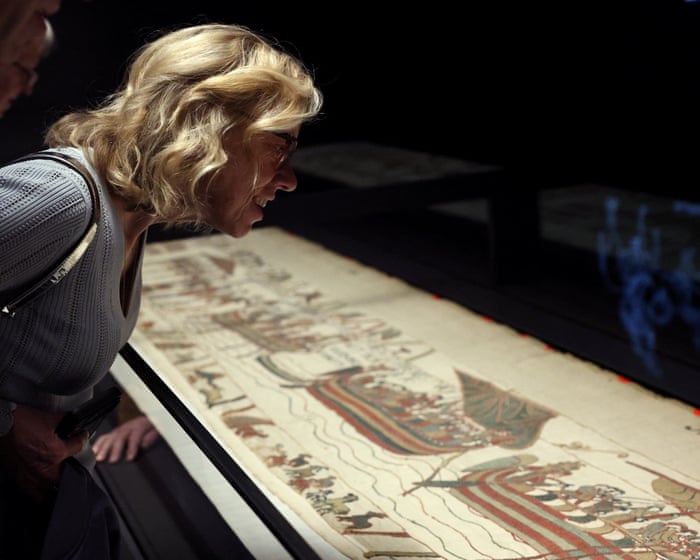
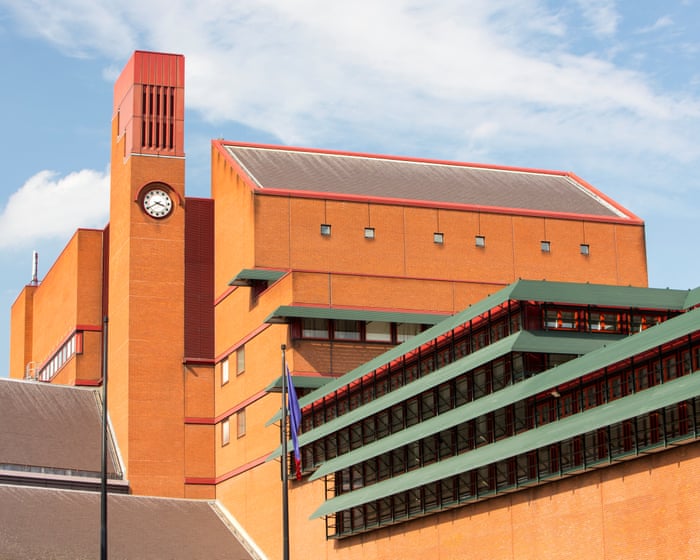
Visitors got a first glimpse of the medieval artefact after it went on display at the British Museum in London
On the day Bayeux tapestry tickets were released, Megan Stockwell was at the beach. She was so determined to lock down her spot, that she sat with her toes in the sand for an hour, waiting in the online queue.
“The whole ticket buying experience felt like what other people would do to get Taylor Swift tickets. I was like, ‘oh God, am I, like, the geek version of this?’” she recalled.
Der 11. September 2001 – ein Datum, das alles veränderte. „Terra X History“ zeigt die Auswirkungen der Terroranschläge auf das World Trade Center und Pentagon auf die USA und die restliche Welt.
Sunday’s election could bring in Germany’s first far-right state government since the Nazi era
Germany is embarking on a crucial election period this month, with three key state polls that could markedly change the political terrain and make life decidedly harder for the federal government under the chancellor, Friedrich Merz.
All eyes are on Saxony-Anhalt on Sunday, where about 1.7 million people are eligible to vote, followed by Mecklenburg-Vorpommern and Berlin on 20 September. In all three contests, the far-right, anti-immigrant Alternative für Deutschland (AfD) is expected to make strong gains.
Visitors to Nostell in West Yorkshire will get to see cutting-edge research into work considered the only faithful copy of Holbein masterpiece
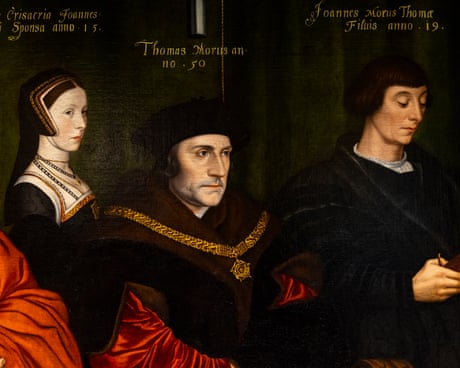
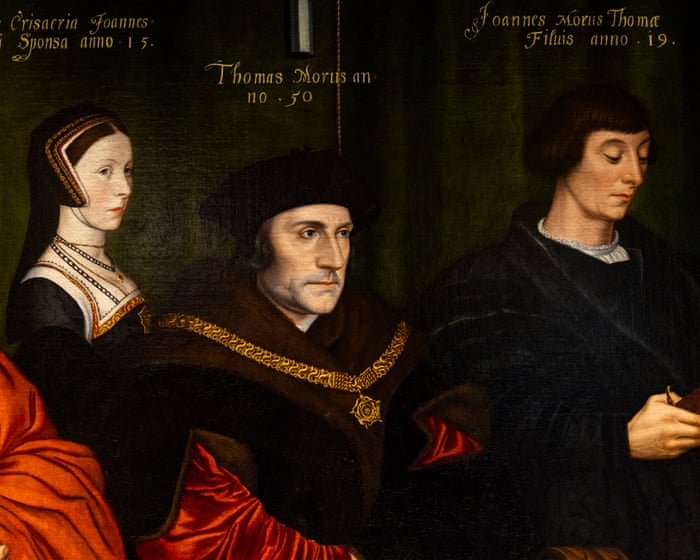
A spectacular, internationally important painting of Thomas More and his family is to have its secrets explored as the public look on.
The open heritage science project, scheduled to begin on Thursday, is a UK first and will deploy techniques used at the Rijksmuseum in Amsterdam during its famous public restoration of Rembrandt’s masterpiece The Night Watch.
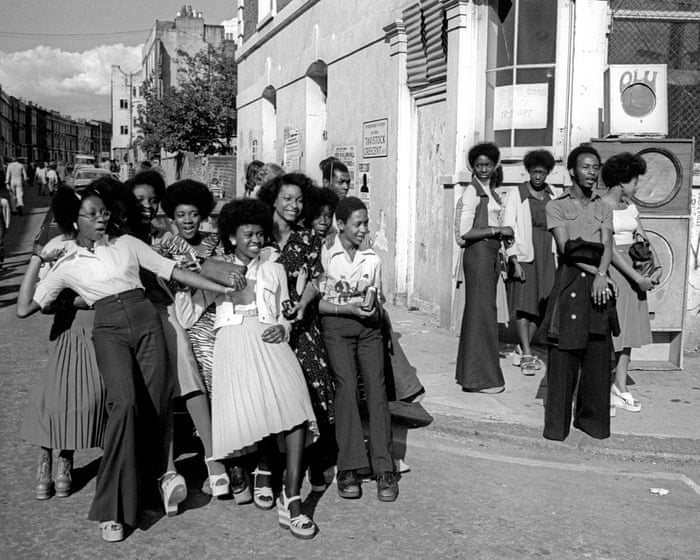
As a child, being taken to the Caribbean celebration was a drag. But once sound systems arrived in the 1970s, it became an unmissable yearly pilgrimage offering a sense of freedom
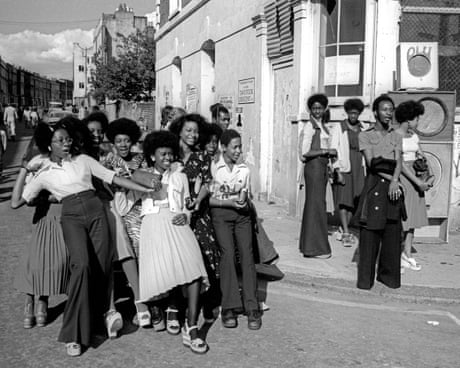
My earliest memories of the Notting Hill carnival are of being mildly irritated. In its 1960s infancy, the event was strictly a Caribbean affair, transplanted to Ladbroke Grove as authentically as was practical. Its purpose was as obvious as its origins: giving Caribbean arrivals a chance to celebrate themselves by bringing the vibrancy of the home they left behind to these drab streets for a couple of days.
Vital as this was – and it really was – it didn’t cut much ice with surly 10- or 11-year-olds like me, being dragged around behind parading steelbands. Yes, it was great to see so many Black people out in the open together and your mums and dads laughing and having a good time, but did we need to be here? There was football to be played and bikes to be ridden, yet so many of us were being forced to walk for what seemed like miles following “old people music”.
Organizations across the country traditionally use the month as a means of activation for local communities
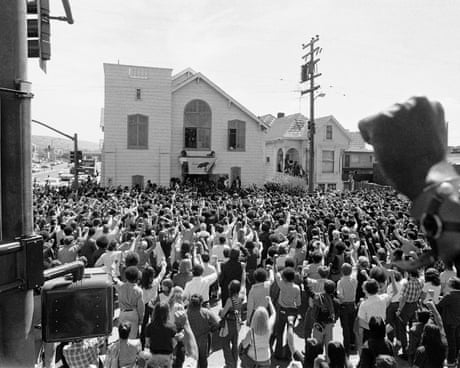
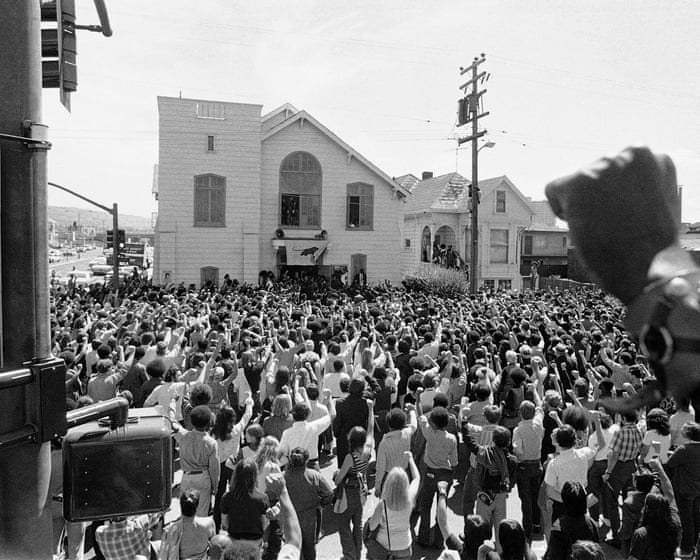
In the 1960s and 1970s, California was brimming with radical energy and potential, which also meant it was brimming with extreme backlash. The Black Panthers, a revolutionary Black political activist organization founded in response to police brutality, were organizing members at the same time Ronald Reagan, then the California governor and the future US president, and others were working to repress the group and its growing political influence.
At the same time, several young men, some incarcerated at San Quentin prison, and some elsewhere in the California prison system, were under attack, being assaulted and murdered by the Aryan Brotherhood, a white supremacist group, and sympathetic guards. Some of the men – WL Nolen; George Jackson, a field marshal of the Black Panther party who also founded a prison chapter of the organization; and others – decided they needed to band together to defend themselves and formed the Black Guerrilla Family (BGF), a Marxist-Leninist prison gang.
A young activist thought her father’s disapproval of her leftwing views was purely political. Then one evening, a kiss goodbye sent her on a remarkable journey that continues today
• Last chance to buy the summer issue of The Long Read magazine, now with 15% off. Click here to order
As a child, Analía Azic used to pretend she was secretly a princess, the heiress to a magical distant kingdom. In real life, she was the daughter of a greengrocer named Juan Antonio Azic and a demure housewife named Esther Abrego. The family lived in the province of Buenos Aires, which, as anyone from the area will tell you with a dash of pride, is not the city of Buenos Aires but its rougher neighbour. Analía was not royalty, but she had an iron will and audacity out of proportion to her small stature.
Analía cared little for grades at the Ladies Institute of the Sacred Heart, where she rolled with the dominantes, girls who hiked their school skirts up so high they served as little more than belts, and dreamed of the weekend when they could finally trade in their school uniforms for designer jeans and tight tank tops and sashay into Electric Circus, the one local club that allowed in minors. There, Analía would climb atop the speakers and dance, then leap back down to toy with the boys from the Argentine air force’s technical trade school.
Readers describe how Christopher Nolan’s blockbuster has ignited or reawakened their interest in classical literature
“I’m having a classics summer this year,” says Tommy Maddinson, 26, from London. He’s been inspired by Christopher Nolan’s The Odyssey to delve into the subject, which has involved cinema trips, visits to the British Museum, and reading Homer’s epic before the film’s release. “I managed to finish it the day before. Since then I’ve been reading a few other classical texts and commentaries …”
Maddinson is not alone. Thanks to the popularity of Nolan’s film, poetry sales in the UK are on course to reach a record high this year after surpassing £8m during the first 30 weeks of 2026 – an increase of 13.3% on the same period last year, according to the market researchers NielsenIQ.
The life of the hugely influential ‘people’s historian’ is explored in a wide-ranging new book that brings in everything from wars to civil rights to Matt Damon
Matt Damon may play a great hero in The Odyssey, but one of the star’s own heroes is also set for his time in the spotlight. In Massachusetts in the 1970s and 80s, Damon grew up close to Howard Zinn, now the subject of The People’s Historian, a biography by Dave Zirin.
“Frankly,” Zirin said, “the fact that he’s Matt Damon and oh by the way is now in the biggest movie perhaps since Titanic, it makes it a nice little bauble for the book that I got to interview him.
On the night of 26 February this year, the Michel family in Pennsylvania expected to see their loved one, Daphy, again very soon.
After she had spent six months in jail, a judge had dismissed criminal charges against her and one of her brothers was told she would be released soon, probably the next day.
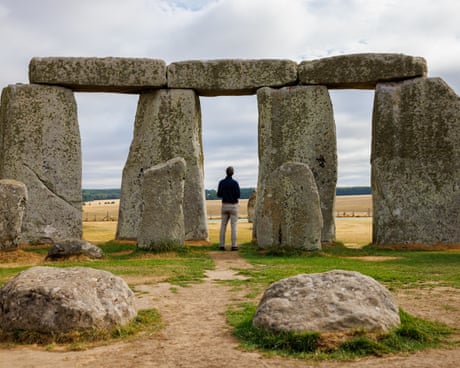
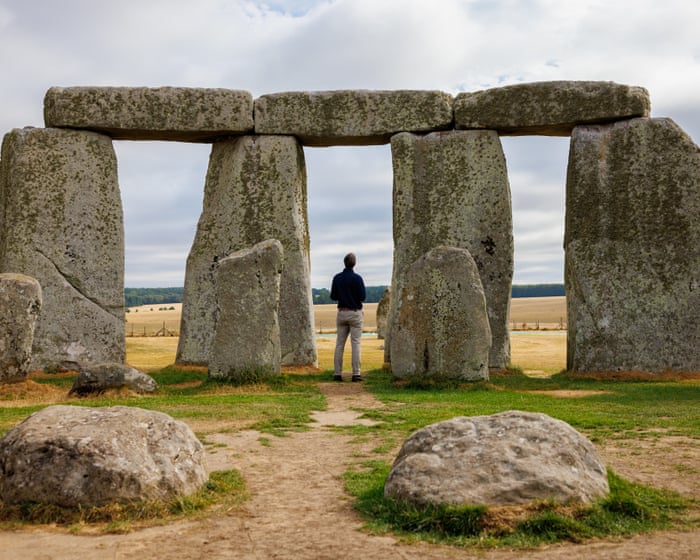
Handful of ticketholders will be selected at random for up-close visits to ancient site throughout August
Trips to Stonehenge can be a little hectic. Tens of thousands of people turn up to celebrate summer and winter solstices and most other days the site is a place of bustle, excited conversation and selfie action.
But throughout August,English Heritage is offering visitors the chance to win some guaranteed solitude within the hulking stones.
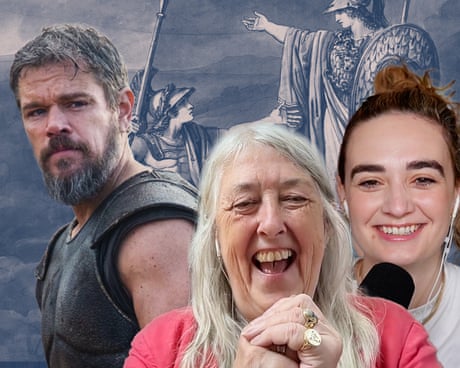
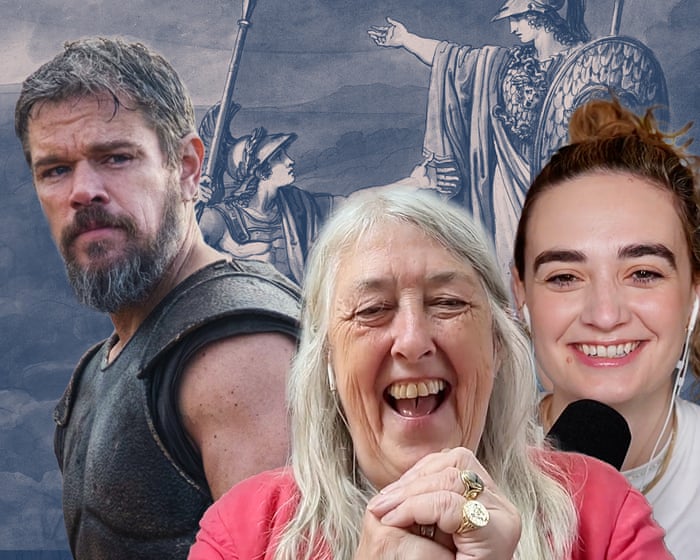
Christopher Nolan’s new adaption of The Odyssey is an absolute monster of a hit, grossing $264m in its opening weekend. But celebrated classicist Mary Beard tells host Carter Sherman that while Nolan’s adaptation of Homer’s ancient Greek epic poem comes with plenty of action-packed battle scenes, the film is missing the original's "elusive sexiness" – and its approach to women left her disappointed. Carter and Beard also explore why rightwing politicians – and people like Elon Musk – are so obsessed with co-opting the ancient world. They ask: who gets to own the classics?
Commentary and criticism about Christopher Nolan’s The Odyssey from the Guardian:
Film star promotes Christopher Nolan film epic wearing gold artefacts dating back almost 3,000 years
The Odyssey is a story about a Greek king’s long journey home. But a pair of earrings worn on the new film adaptation’s press tour – and their long separation from their homeland – is sparking controversy.
At a photocall in London, Zendaya, who plays the goddess Athena in the Christopher Nolan film, wore a pair of earrings fashioned from Iranian artefacts dating back to 700BC.
From 18th-century pleasure gardens to Studio 54, the story of nightlife in all its hedonistic – and political – glory
In this fabulous alternative history of the modern world, the academic and “party historian” Imogen Willetts looks at the last 500 years of civilisation through the sometimes blurry lenses of its after-dark scenes, with fascinating results. She begins by trying to capture what it feels like to go on a big night out, focusing on a phenomenon that, in 1912, the sociologist Émile Durkheim labelled “collective effervescence”. In one passage, she explains this by referencing dancing as part of ancient tribal hunting rituals, listening to Charli xcx’s 365, or singing along to Sweet Caroline with tens of thousands of other people in a stadium.
This is no dry academic study, then, and its mix of historical research, critical theory and conversational references to pop culture makes for a bright and compelling read. What Willetts calls the “seemingly superficial act of getting gussied up to drink, dance, have fun and meet people” is, of course, much more than that, and she scratches away at the layers with skill. Nightlife can contain, or enable, rebellion, community, innovation, art, love, sex and political revolution. From Japan to France, from Shanghai to Germany, via many detours to the United States, she examines historical movements as they might be seen from dusk till dawn.
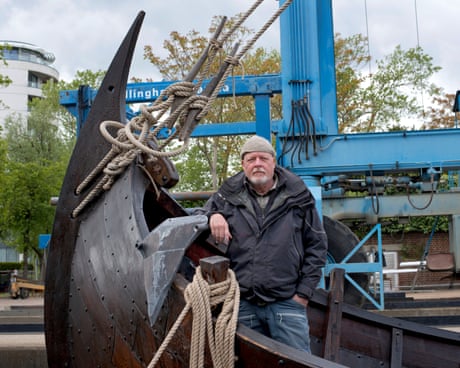
Every year I spend six to eight weeks on board – it has brought new friendships and showed me how generous people can be
When I was a teenager in Denmark in the 1980s, my older brother drove me to Roskilde, a city with five original Viking ships. We started working with the Viking Ship Museum of Roskilde as volunteers to build one of the first replicas. Since then, Vikings have been in my life.
Until my retirement four years ago, I worked at an IT company, and on the side volunteered for the Oseberg Viking Heritage Foundation, in Tønsberg, Norway, which promotes Viking ships and handicrafts. I became chair in 2023.
Publicly and behind the scenes, the president continues to try to impose his own views of American history and culture, presenting an ongoing challenge to Lonnie Bunch, the institution’s leader.
Italian academic and author who challenged traditional approaches with his pursuit of microhistory
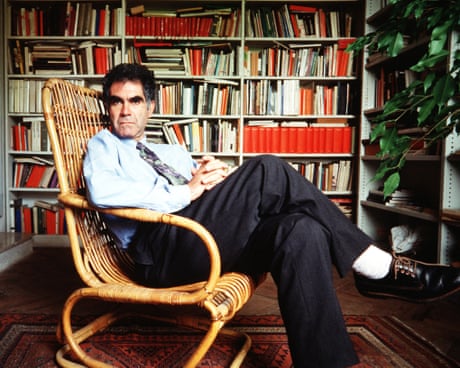
It would be no exaggeration to claim that the Italian historian Carlo Ginzburg, who has died aged 87, revolutionised the practice and understanding of history. In particular, in a series of books published in the 1970s – above all, The Cheese and the Worms: The Cosmos of a Sixteenth-Century Miller (1976) – he embraced a new field of study called microhistory, which challenged traditional ways of understanding the discipline of which he was part.
Far from the overarching theoretical approaches of Marxism or liberalism, Ginzburg emphasised the edges, the marginalised, the detail rather than the bigger picture. The chance discovery of Inquisition trial documents in archives in Udine opened a way to an understanding of a society and culture through one individual previously ignored by history.
With the British Museum’s blockbuster Bayeux tapestry exhibition opening soon, we follow in the footsteps of William the Conqueror and King Harold’s armies around Battle and Rye
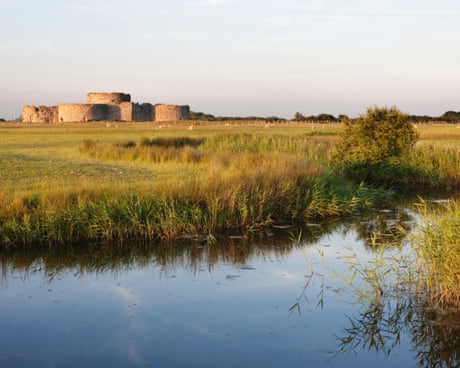
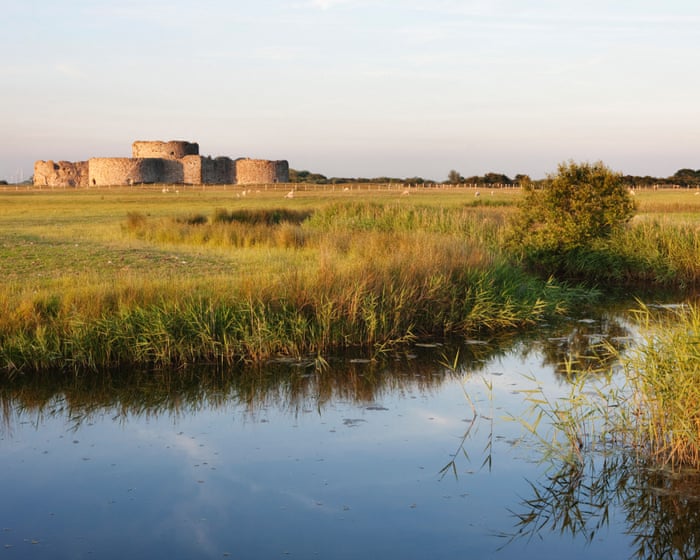
‘Uh oh, look at these!” I call to my friends, Annie and Mike. “Ominous,” remarks Annie. Mike raises an eyebrow. We’re hiking the Pevensey Levels, marshland first drained in 772, home now to sheep and cattle, but also water spiders, living underwater in air-filled webs. The ground is pocked with endless impressions of horseshoes.
The main pillars of the founding narrative have fallen on hard times. Today, its meaning is up for grabs
Writing during the carnage of the first world war, the iconoclast intellectual Randolph Bourne described the American revolutionary inheritance as a squalid marriage between the town capitalist and plantation patriarch. Glittering generalities of freedom and democracy, Bourne observed, were indelibly marked by their long captivity to the money counters and owners of human chattel.
In the land lorded over by the likes of Donald Trump, leader of one of the most indecently corrupt, violently inept administrations in the country’s history, the 250th anniversary of the American Declaration of Independence would seem to affirm this judgment. Our moment, defined by the mobilization of market frenzy, machineries of war, deportation deliriums and nativist passions, echoes Bourne’s; it is a time of social fracture, moral failure and hegemonic collapse, with cynical reason ascendant.
Report by Commons committee says government has failed to make concrete changes after recent security failures
Britain’s museums and galleries are being left vulnerable to thefts and cyber-attacks that could put priceless collections at risk, MPs have warned.
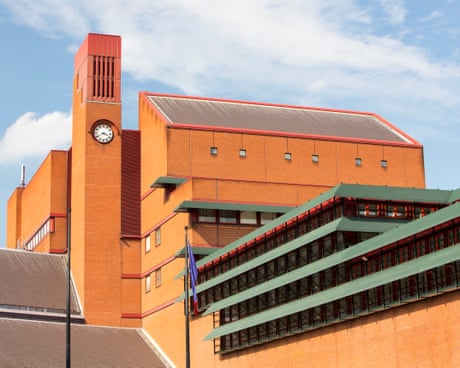
A report by the public accounts committee (PAC) said big security failures in recent years, including the theft of thousands of artefacts from the British Museum and a devastating cyber-attack on the British Library, had exposed serious weaknesses across the sector, but that the government had failed to take a strategic approach to preventing similar incidents.

 Anmelden