❌

Lese-Ansicht

AI threatens to destroy so much of our culture. Our greatest loss might be our ability to listen | Shirleene Robinson

Australians are conversing less every year, with a recent study showing we lost an average of 338 spoken words each day between 2005 and 2019

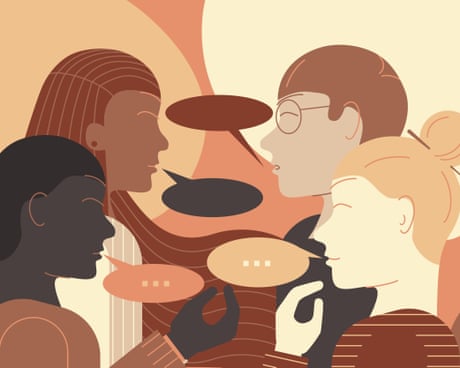
We talk a lot about losing our ability to write as a result of AI. I’m convinced our greatest loss might be our ability to listen. Listening to different views and entering into different worlds is integral to our humanity.

But Australians are conversing less every year. While rapidly evolving AI tools and chatbots promise faster responses and so-called “empathetic” listening, a recent study showed we lost an average of 338 spoken words each day between 2005 and 2019. That adds up to a staggering loss of 120,000 spoken words per person, compared with the year before.

Continue reading...

© Photograph: Dumitru Ochievschi/Alamy Stock Vector
© Photograph: Dumitru Ochievschi/Alamy Stock Vector

© Photograph: Dumitru Ochievschi/Alamy Stock Vector

  •  

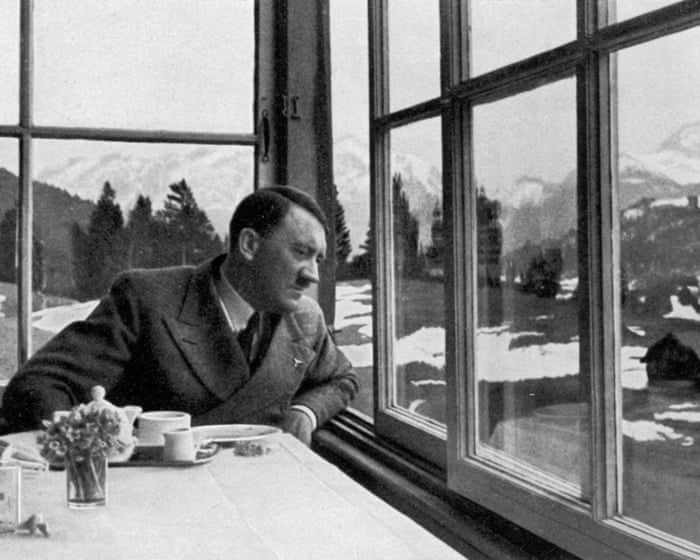
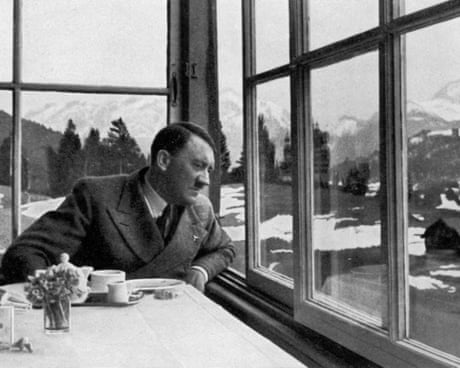
‘Hitler was a lazy criminal who slept in until noon’: why most of what we think we know about the rise of the Nazis is wrong

In a new book, German artist and writer Philipp Ruch argues that viewing the ascent of Hitler’s NSDAP through the prism of the Third Reich has distorted our understanding of fascism’s electoral breakthrough

With your art collective Centre for Political Beauty you famously built a replica of the Holocaust memorial on a property next to the home of an AfD politician. Now you’ve written a history book about the Nazis’ rise to power. Don’t we already know everything there is to know about the 1932 elections, the Reichstag fire and the Enabling Act of 1933?

About three years ago I became interested in how Hitler’s National Socialist German Workers’ party (NSDAP) rose to prominence when Germany was still a democracy, because I hoped it could tell us something about the success of rightwing extremist movements today. From looking at historical sources, I realised that the Reichstag elections of 14 September 1930 were in many ways more important than what happened in 1932 and 1933. And I expected it to be an open-and-shut case. But the more I looked into it, the more I realised that most of the theories we have to explain the rise of the Nazis don’t make sense – the data tells a completely different, far darker story.

Continue reading...

© Photograph: Print Collector/Getty Images

© Photograph: Print Collector/Getty Images

© Photograph: Print Collector/Getty Images

  •  

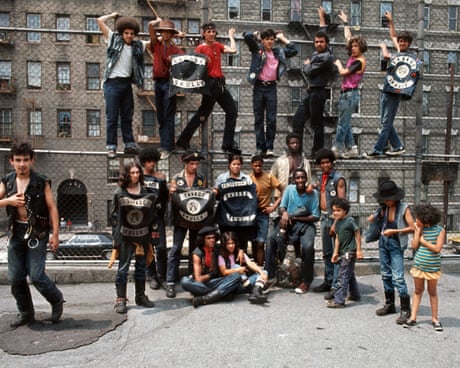
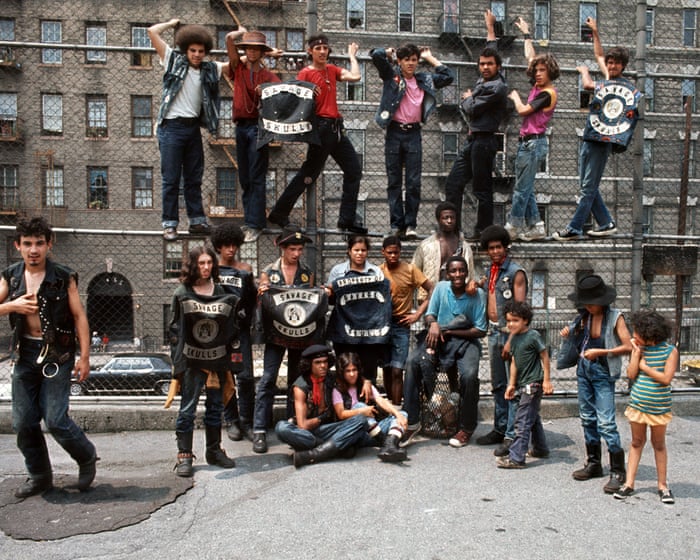
‘The Savage Skulls were the most dangerous gang in the Bronx’: Jean-Pierre Laffont’s best photograph

‘I’d read stories about gangs killing drug-pushers who targeted young people. Police would find their bodies at the bottom of five-storey buildings. I didn’t want to go looking for them alone’

The late 1960s and most of the 1970s were a difficult time for New York. I’d moved there from France in 1965 with a reporter friend and a plan to start a little agency, but soon found myself working alone. It could be a dangerous city, especially at night, but I enjoyed taking pictures of everyday life around me. In 1969, I became the first foreign correspondent for the Paris-based Gamma Agency, but always insisted on working on personal projects rather than assignments.

Reading the New York Times in 1972, I would see stories about gangs in the Bronx that were killing drug-pushers who targeted young people in the area. The police would find their bodies on the kerb at the bottom of five-storey buildings they’d been thrown off. The gangs included the Savage Nomads and the Dirty Dozen, but the one I was most interested in was the most dangerous: the Savage Skulls.

Continue reading...

© Photograph: Jean-Paul Laffont

© Photograph: Jean-Paul Laffont

© Photograph: Jean-Paul Laffont

  •  

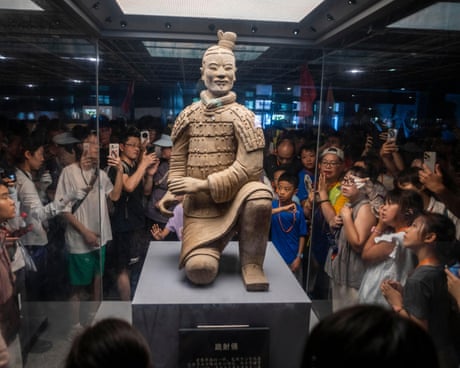
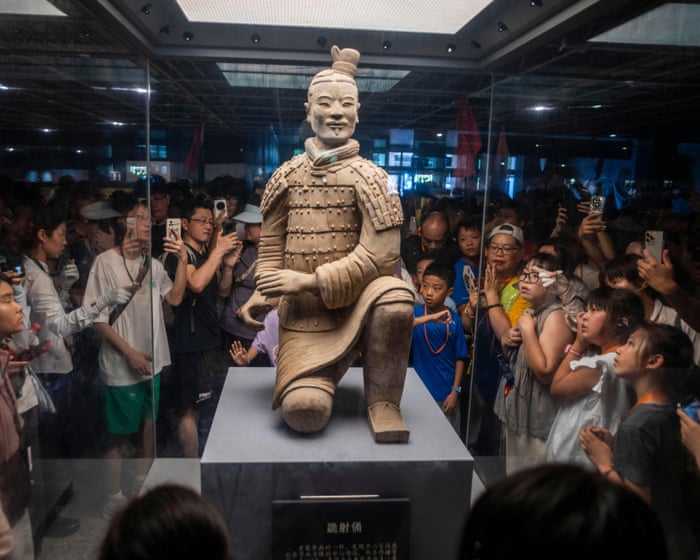
Why am I obsessed with China’s ancient golden age? I took my daughter on a trip to find out

I felt a duty to write about the Tang dynasty and its incredible social and cultural sophistication – but also to connect my Chinese past with my child

During the Tang dynasty, which lasted from the seventh to the early 10th century, Vikings were raiding the coasts of what today is called Europe. In the small archipelago now known as Britain, Anglo-Saxon kingdoms flitted by. Meanwhile, in Mesoamerica, after 3,000 years of flourishing, the Maya civilisation was collapsing. In the east, China had been united for nine centuries and the Tang dynasty was already a proverbial high point of world culture.

Continue reading...

© Photograph: ZUMA Press, Inc./Alamy Stock Photo/Alamy Live News.

© Photograph: ZUMA Press, Inc./Alamy Stock Photo/Alamy Live News.

© Photograph: ZUMA Press, Inc./Alamy Stock Photo/Alamy Live News.

  •  

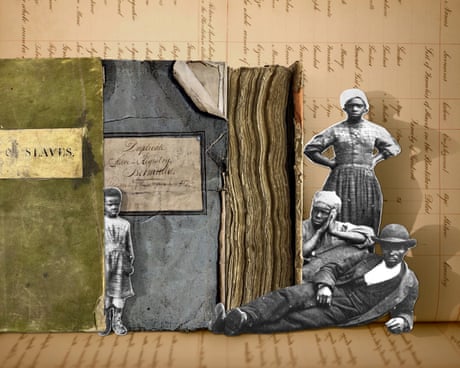
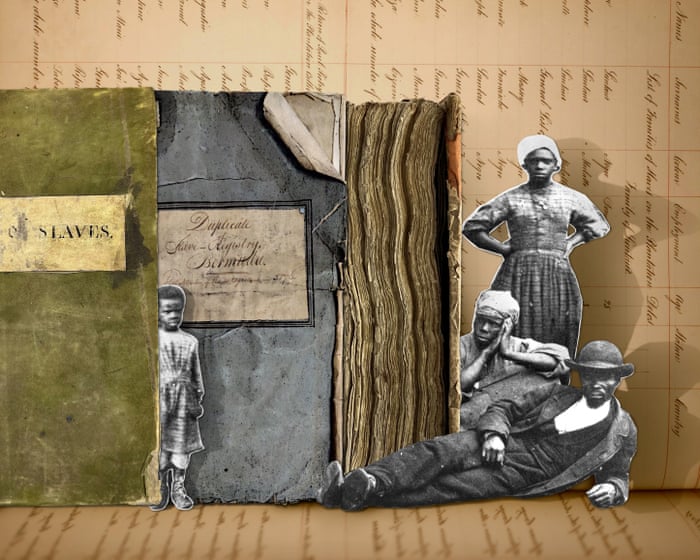
Nearly 4m records of enslaved people in 20 former British colonies now searchable online

Exclusive: Collection’s 300,000 pages record lives of enslaved people in countries including the Bahamas, Barbados, Jamaica, Mauritius, South Africa and Trinidad

Nearly 4m records documenting the lives of enslaved people across 20 former British colonies have been made searchable online for the first time.

The records have been digitised and indexed by the genealogy company Ancestry, which has partnered with the Centre for the Study of the Legacies of British Slavery at University College London.

Continue reading...

© Composite: Guardian/Getty/British Enslavement Registers

© Composite: Guardian/Getty/British Enslavement Registers

© Composite: Guardian/Getty/British Enslavement Registers

  •  

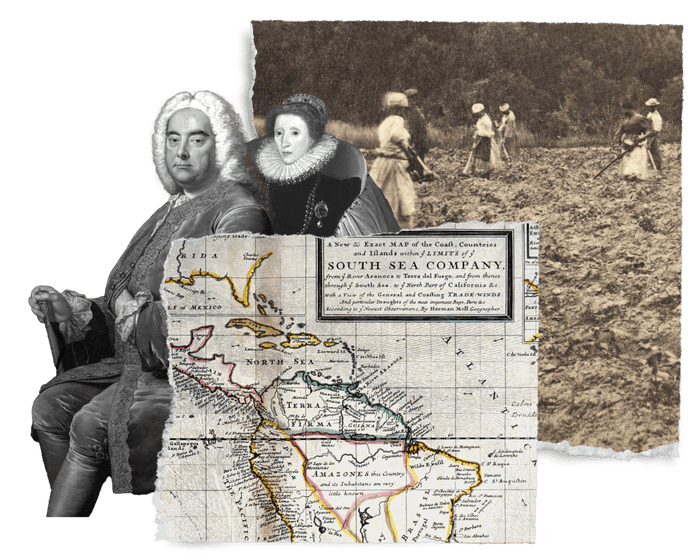
Freedom-loving Britain was at the heart of the 18th century slave trade – and this register proves it | William Pettigrew

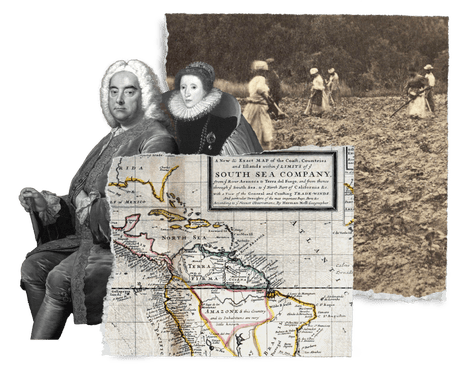
Register of British Slave Traders reveals how deeply the trafficking of Africans was embedded in the country’s politics, economy, institutions and culture

Two obstacles have prevented us from appreciating the significance of the slave trade in British history. The first arose from the abolition campaign, which finally overcame opposition in parliament in 1807. The abolitionists promoted the idea that opposition to the slave trade flowed naturally from British values: justice, freedom and Christian benevolence. The success of this strategy obscured the role those same British values had played in supporting the trafficking. Today, Britain’s leaders place abolition in the pantheon of great and definitive national moments.

The second obstacle has been the ingrained tendency of the British to offshore the causes and effects of African chattel slavery to the Americas. According to this view, slavery, and the racial thinking it engendered, was an American, not European concern. But Europeans transported the great majority of enslaved African people to the Americas and reaped huge advantages from doing so. These advantages reshaped European societies.

Continue reading...

© Composite: Guardian

© Composite: Guardian

© Composite: Guardian

  •  

Stitching our warped reality together: a cartoonist and art critic take different approaches to the Bayeux tapestry

One Guardian contributor was tasked with creating a modern-day version of the medieval masterpiece, the other with reviewing the original. Both their visions proved terrifyingly pertinent. Here’s how they both tackled it
Our journalists often draw connections between seemingly disparate issues or events to give people a fuller grasp of how things interrelate. But not every story can convey the scope and complexity of today’s algorithmically warped reality.
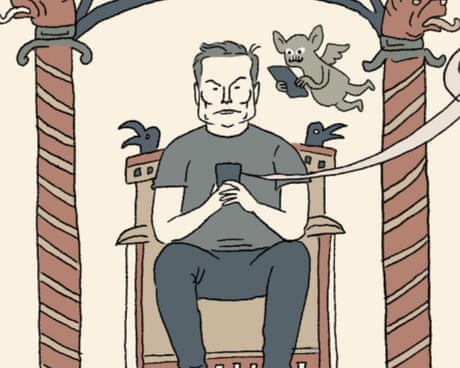
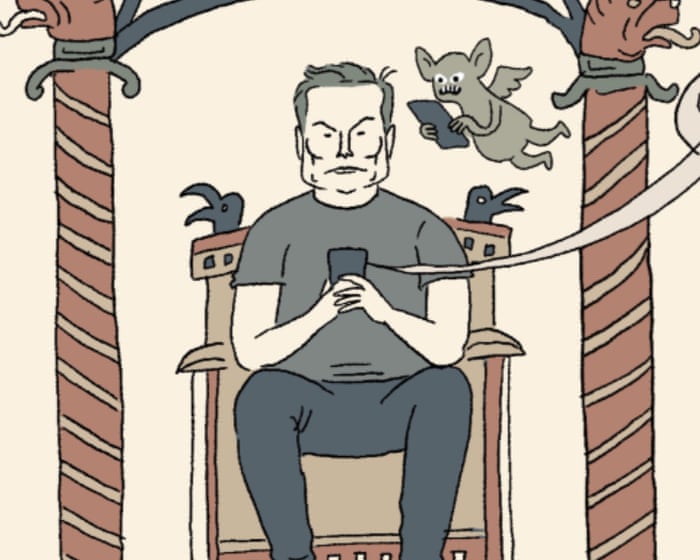
One of the Guardian’s regular cartoonists has managed this feat by drawing inspiration from a medieval embroidery made almost 1,000 years ago. Edith Pritchett was asked by her editors on the Guardian’s Saturday magazine to draw a modern-day version of the Bayeux tapestry, the 11th-century artwork that has been capturing imaginations this month as it goes on public display in the UK for the first time since its creation. Her updated version was included as a pullout poster in the print edition of the Guardian last weekend and also published as a special scrollable digital feature.

Continue reading...

© Illustration: Edith Pritchett/The Guardian

© Illustration: Edith Pritchett/The Guardian

© Illustration: Edith Pritchett/The Guardian

  •  

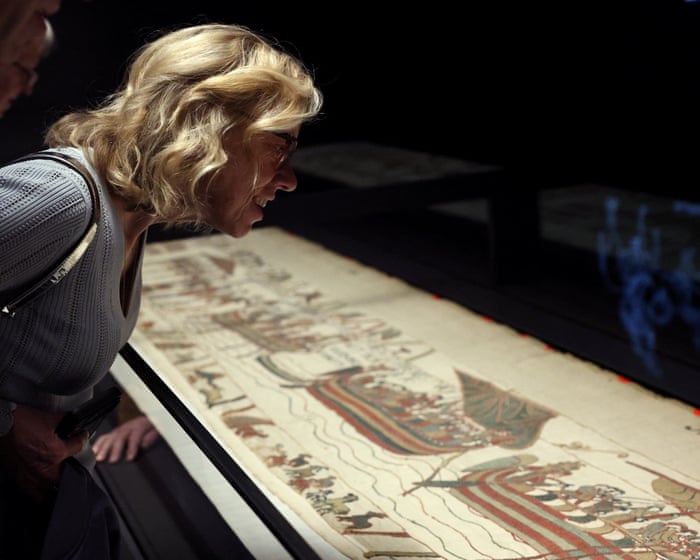
Francophiles, Norman outfits and broken threads: visitors see Bayeux tapestry in UK for first time

Visitors got a first glimpse of the medieval artefact after it went on display at the British Museum in London

On the day Bayeux tapestry tickets were released, Megan Stockwell was at the beach. She was so determined to lock down her spot, that she sat with her toes in the sand for an hour, waiting in the online queue.

“The whole ticket buying experience felt like what other people would do to get Taylor Swift tickets. I was like, ‘oh God, am I, like, the geek version of this?’” she recalled.

Continue reading...

© Photograph: Toby Melville/Reuters

© Photograph: Toby Melville/Reuters

© Photograph: Toby Melville/Reuters

  •  

9/11 - Terror, Trauma, Zeitenwende

Der 11. September 2001 – ein Datum, das alles veränderte. „Terra X History“ zeigt die Auswirkungen der Terroranschläge auf das World Trade Center und Pentagon auf die USA und die restliche Welt.

  •  

All eyes on Saxony-Anhalt – what will AfD do if it wins German state poll?

Sunday’s election could bring in Germany’s first far-right state government since the Nazi era

Germany is embarking on a crucial election period this month, with three key state polls that could markedly change the political terrain and make life decidedly harder for the federal government under the chancellor, Friedrich Merz.

All eyes are on Saxony-Anhalt on Sunday, where about 1.7 million people are eligible to vote, followed by Mecklenburg-Vorpommern and Berlin on 20 September. In all three contests, the far-right, anti-immigrant Alternative für Deutschland (AfD) is expected to make strong gains.

Continue reading...

© Photograph: Annegret Hilse/Reuters

© Photograph: Annegret Hilse/Reuters

© Photograph: Annegret Hilse/Reuters

  •  

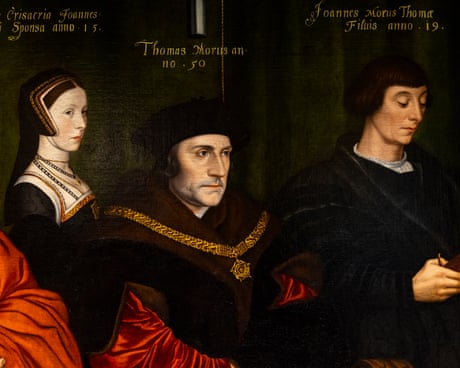
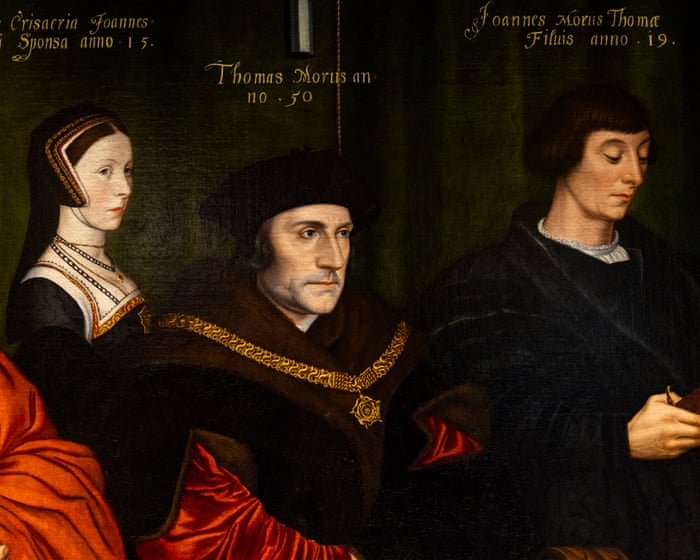
Public given rare access as Thomas More painting goes under microscope

Visitors to Nostell in West Yorkshire will get to see cutting-edge research into work considered the only faithful copy of Holbein masterpiece

A spectacular, internationally important painting of Thomas More and his family is to have its secrets explored as the public look on.

The open heritage science project, scheduled to begin on Thursday, is a UK first and will deploy techniques used at the Rijksmuseum in Amsterdam during its famous public restoration of Rembrandt’s masterpiece The Night Watch.

Continue reading...

© Photograph: Annapurna Mellor/SEE CAPTION

© Photograph: Annapurna Mellor/SEE CAPTION

© Photograph: Annapurna Mellor/SEE CAPTION

  •  

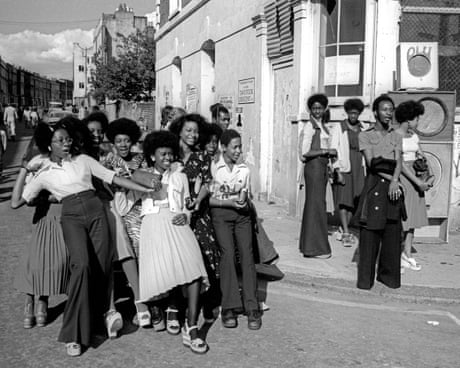
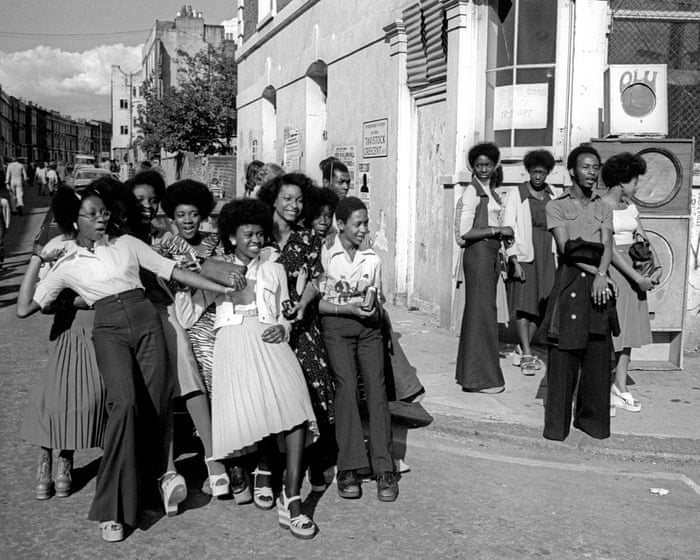
From ‘old people music’ to owning the streets: 60 years of Notting Hill carnival and me

As a child, being taken to the Caribbean celebration was a drag. But once sound systems arrived in the 1970s, it became an unmissable yearly pilgrimage offering a sense of freedom

My earliest memories of the Notting Hill carnival are of being mildly irritated. In its 1960s infancy, the event was strictly a Caribbean affair, transplanted to Ladbroke Grove as authentically as was practical. Its purpose was as obvious as its origins: giving Caribbean arrivals a chance to celebrate themselves by bringing the vibrancy of the home they left behind to these drab streets for a couple of days.

Vital as this was – and it really was – it didn’t cut much ice with surly 10- or 11-year-olds like me, being dragged around behind parading steelbands. Yes, it was great to see so many Black people out in the open together and your mums and dads laughing and having a good time, but did we need to be here? There was football to be played and bikes to be ridden, yet so many of us were being forced to walk for what seemed like miles following “old people music”.

Continue reading...

© Photograph: Richard Braine/Pymca/REX/Shutterstock

© Photograph: Richard Braine/Pymca/REX/Shutterstock

© Photograph: Richard Braine/Pymca/REX/Shutterstock

  •  

This Black August, Americans will study, meditate, fast, exercise – and read – for Black liberation

Organizations across the country traditionally use the month as a means of activation for local communities

In the 1960s and 1970s, California was brimming with radical energy and potential, which also meant it was brimming with extreme backlash. The Black Panthers, a revolutionary Black political activist organization founded in response to police brutality, were organizing members at the same time Ronald Reagan, then the California governor and the future US president, and others were working to repress the group and its growing political influence.

At the same time, several young men, some incarcerated at San Quentin prison, and some elsewhere in the California prison system, were under attack, being assaulted and murdered by the Aryan Brotherhood, a white supremacist group, and sympathetic guards. Some of the men – WL Nolen; George Jackson, a field marshal of the Black Panther party who also founded a prison chapter of the organization; and others – decided they needed to band together to defend themselves and formed the Black Guerrilla Family (BGF), a Marxist-Leninist prison gang.

Continue reading...

© Photograph: Robert Klein/AP

© Photograph: Robert Klein/AP

© Photograph: Robert Klein/AP

  •  

The long shadow of Argentina’s dictatorship: she wasn’t who she thought she was – neither was her father | Meaghan Beatley

A young activist thought her father’s disapproval of her leftwing views was purely political. Then one evening, a kiss goodbye sent her on a remarkable journey that continues today

• Last chance to buy the summer issue of The Long Read magazine, now with 15% off. Click here to order

As a child, Analía Azic used to pretend she was secretly a princess, the heiress to a magical distant kingdom. In real life, she was the daughter of a greengrocer named Juan Antonio Azic and a demure housewife named Esther Abrego. The family lived in the province of Buenos Aires, which, as anyone from the area will tell you with a dash of pride, is not the city of Buenos Aires but its rougher neighbour. Analía was not royalty, but she had an iron will and audacity out of proportion to her small stature.

Analía cared little for grades at the Ladies Institute of the Sacred Heart, where she rolled with the dominantes, girls who hiked their school skirts up so high they served as little more than belts, and dreamed of the weekend when they could finally trade in their school uniforms for designer jeans and tight tank tops and sashay into Electric Circus, the one local club that allowed in minors. There, Analía would climb atop the speakers and dance, then leap back down to toy with the boys from the Argentine air force’s technical trade school.

Continue reading...

© Photograph: Anita Pouchard Serra/The Guardian

© Photograph: Anita Pouchard Serra/The Guardian

© Photograph: Anita Pouchard Serra/The Guardian

  •  

‘I felt so inspired’: Guardian readers on trying Homer’s epics after seeing The Odyssey

Readers describe how Christopher Nolan’s blockbuster has ignited or reawakened their interest in classical literature

“I’m having a classics summer this year,” says Tommy Maddinson, 26, from London. He’s been inspired by Christopher Nolan’s The Odyssey to delve into the subject, which has involved cinema trips, visits to the British Museum, and reading Homer’s epic before the film’s release. “I managed to finish it the day before. Since then I’ve been reading a few other classical texts and commentaries …”

Maddinson is not alone. Thanks to the popularity of Nolan’s film, poetry sales in the UK are on course to reach a record high this year after surpassing £8m during the first 30 weeks of 2026 – an increase of 13.3% on the same period last year, according to the market researchers NielsenIQ.

Continue reading...

© Photograph: Landmark Media/Alamy

© Photograph: Landmark Media/Alamy

© Photograph: Landmark Media/Alamy

  •  

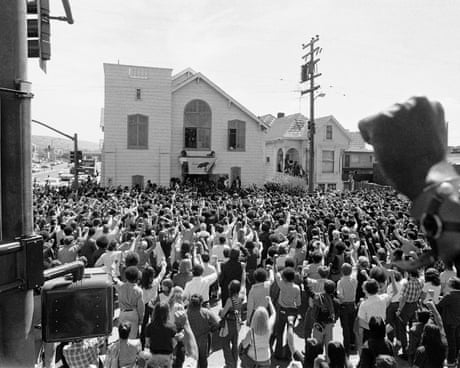
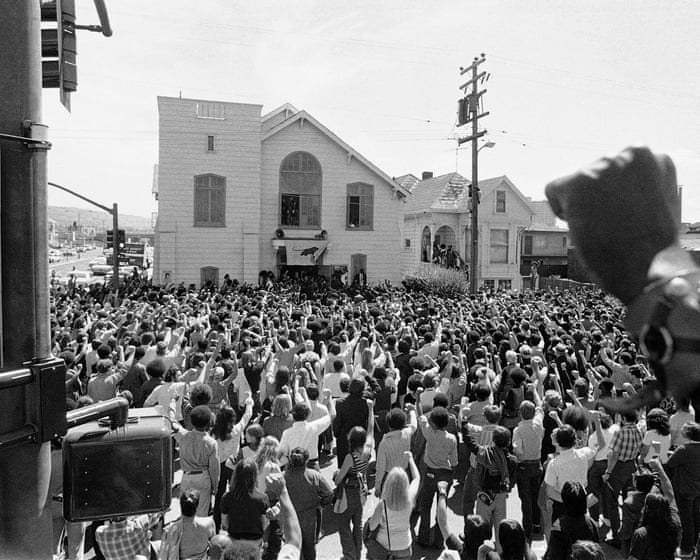
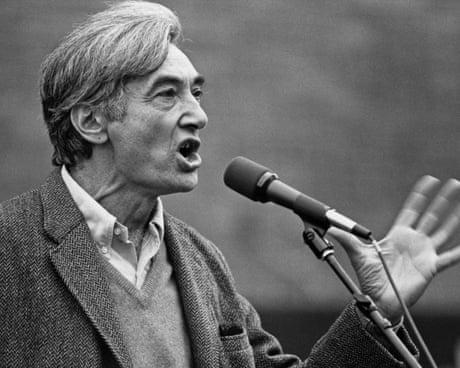
‘Like if John Sayles directed Forrest Gump’: the incredible life of historian Howard Zinn

The life of the hugely influential ‘people’s historian’ is explored in a wide-ranging new book that brings in everything from wars to civil rights to Matt Damon

Matt Damon may play a great hero in The Odyssey, but one of the star’s own heroes is also set for his time in the spotlight. In Massachusetts in the 1970s and 80s, Damon grew up close to Howard Zinn, now the subject of The People’s Historian, a biography by Dave Zirin.

“Frankly,” Zirin said, “the fact that he’s Matt Damon and oh by the way is now in the biggest movie perhaps since Titanic, it makes it a nice little bauble for the book that I got to interview him.

Continue reading...

© Photograph: Marilyn Humphries/Alamy

© Photograph: Marilyn Humphries/Alamy

© Photograph: Marilyn Humphries/Alamy

  •  

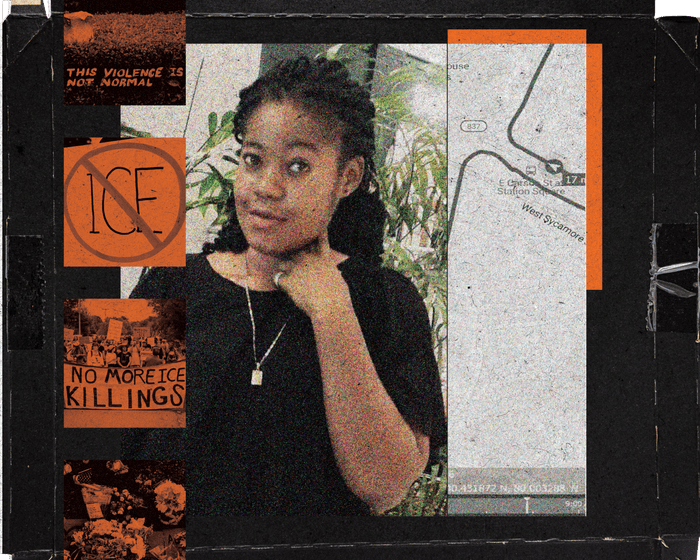
‘She showed love for everyone’: how did Daphy Michel end up frozen to death in a Pittsburgh bus shelter?

Haitian immigrant with mental illness found dead after ICE released her in 20F weather wearing summer clothes

On the night of 26 February this year, the Michel family in Pennsylvania expected to see their loved one, Daphy, again very soon.

After she had spent six months in jail, a judge had dismissed criminal charges against her and one of her brothers was told she would be released soon, probably the next day.

Continue reading...

© Composite: The Guardian/Getty Images/Michel Family

© Composite: The Guardian/Getty Images/Michel Family

© Composite: The Guardian/Getty Images/Michel Family

  •  

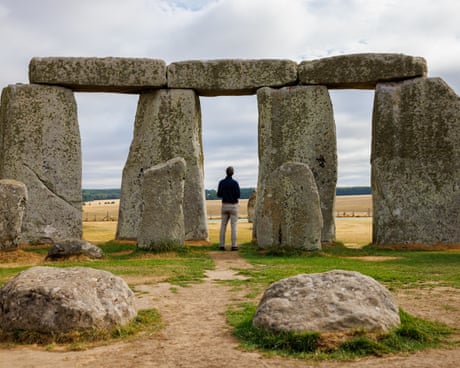
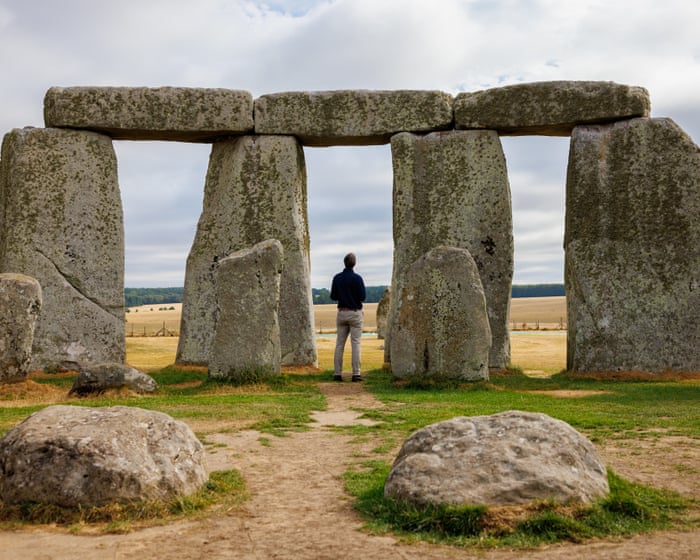
Magic circle: Stonehenge offers lucky visitors 20 minutes alone in monument

Handful of ticketholders will be selected at random for up-close visits to ancient site throughout August

Trips to Stonehenge can be a little hectic. Tens of thousands of people turn up to celebrate summer and winter solstices and most other days the site is a place of bustle, excited conversation and selfie action.

But throughout August, English Heritage is offering visitors the chance to win some guaranteed solitude within the hulking stones.

Continue reading...

© Photograph: Sam Frost/The Guardian

© Photograph: Sam Frost/The Guardian

© Photograph: Sam Frost/The Guardian

  •  

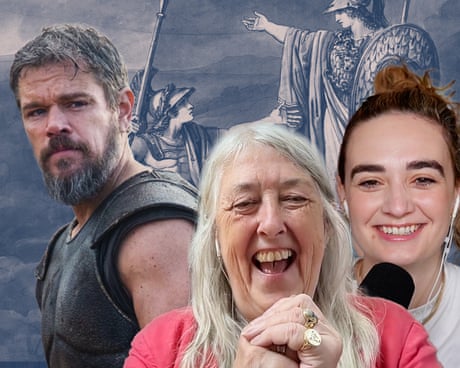
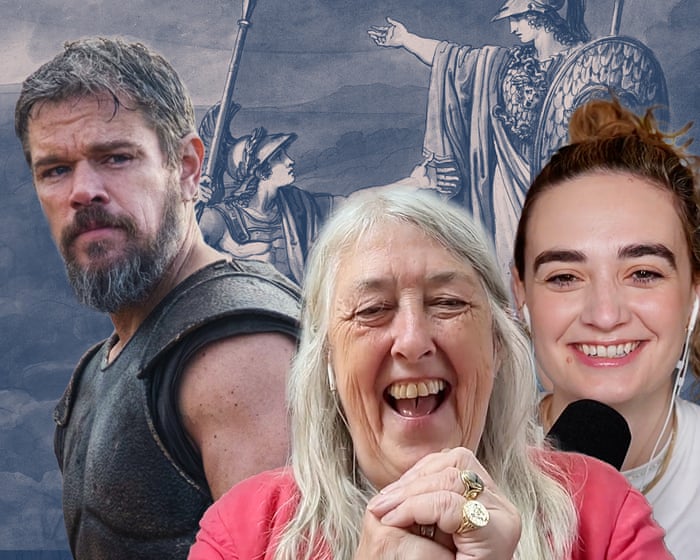
Mary Beard on The Odyssey and how empires fall – Stateside with Kai and Carter

Christopher Nolan’s new adaption of The Odyssey is an absolute monster of a hit, grossing $264m in its opening weekend. But celebrated classicist Mary Beard tells host Carter Sherman that while Nolan’s adaptation of Homer’s ancient Greek epic poem comes with plenty of action-packed battle scenes, the film is missing the original's "elusive sexiness" – and its approach to women left her disappointed. Carter and Beard also explore why rightwing politicians – and people like Elon Musk – are so obsessed with co-opting the ancient world. They ask: who gets to own the classics?


Commentary and criticism about Christopher Nolan’s The Odyssey from the Guardian:

Continue reading...

© Photograph: Grid

© Photograph: Grid

© Photograph: Grid

  •  

Zendaya faces backlash for wearing ancient Iranian jewellery at Odyssey event

Film star promotes Christopher Nolan film epic wearing gold artefacts dating back almost 3,000 years

The Odyssey is a story about a Greek king’s long journey home. But a pair of earrings worn on the new film adaptation’s press tour – and their long separation from their homeland – is sparking controversy.

At a photocall in London, Zendaya, who plays the goddess Athena in the Christopher Nolan film, wore a pair of earrings fashioned from Iranian artefacts dating back to 700BC.

Continue reading...

© Photograph: Scott A Garfitt/AP

© Photograph: Scott A Garfitt/AP

© Photograph: Scott A Garfitt/AP

  •  
❌